

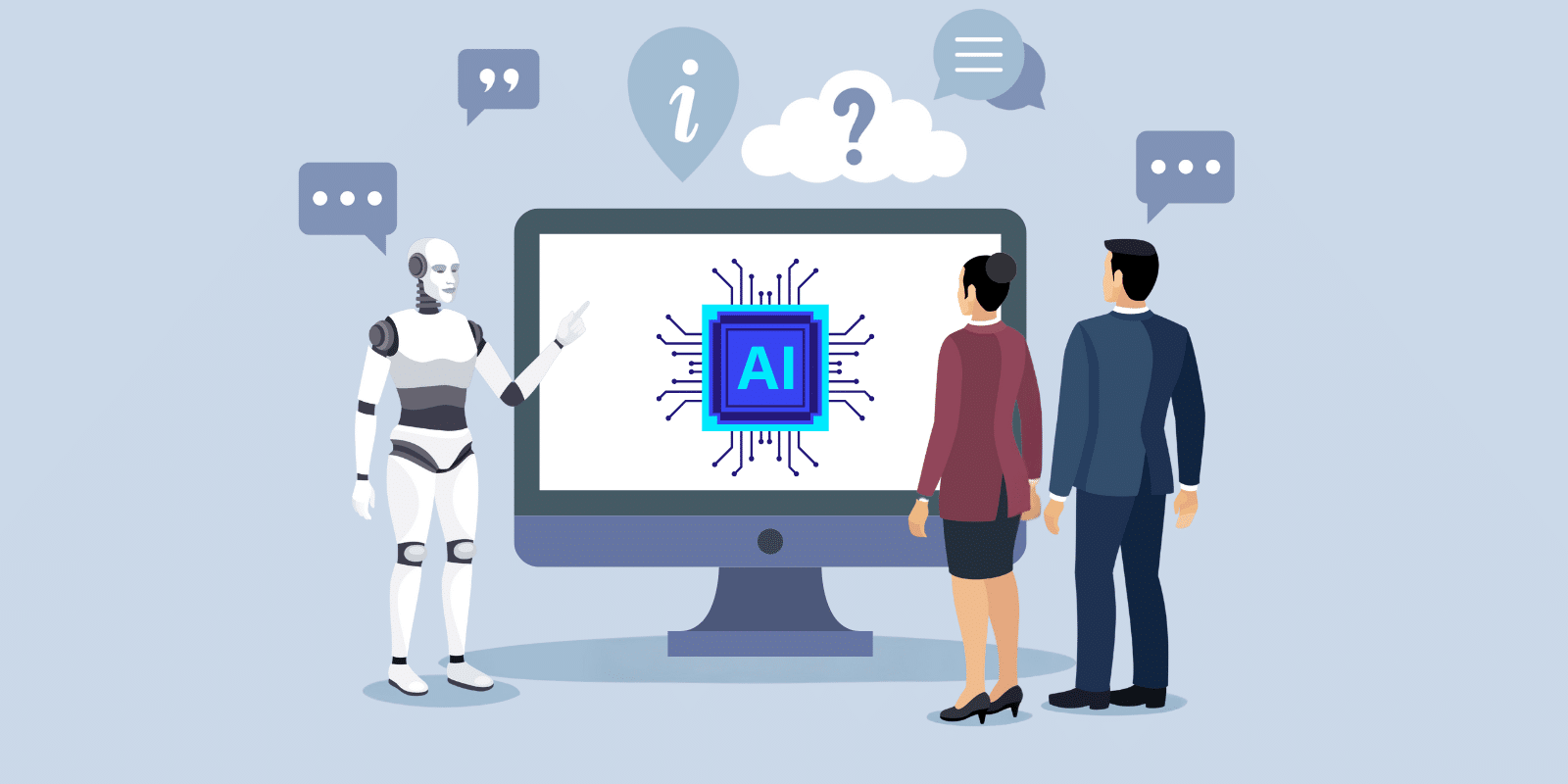
“We need someone to figure out our AI governance plan, and everyone thinks it should be you.”
If you work in privacy, or your role intersects with it, you’ve probably heard or had this conversation. Maybe it came from Legal after they realized the new vendor contract doesn’t address AI data processing. Perhaps it was from IT, after they discovered that employees were using AI tools not included in the original security review. Or maybe it came down from executives because AI is tied to data, an issue squarely in privacy’s wheelhouse.
Whoever, wherever it came from, though, the reality is that AI governance shouldn’t be passed around from team to team like the world’s most frustrating game of hot potato.
AI governance has likely become a privacy responsibility by default, not by design. But AI risk has expanded beyond what a function can alone manage.\=]
Table of Contents
Why governance often lands on privacy teams
Depending on how you look at it—and a lot of businesses are looking at it this way—AI governance isn’t an “AI problem.” It’s a data privacy problem with some new wrinkles.
Consider what privacy teams are already doing:
- You evaluate automated processing to see if it affects individual rights.
- You assess data flows to understand privacy risks.
- You work with vendors to ensure their data handling meets your requirements.
- You coordinate across teams when new technology touches personal data.
AI turns up the heat on these existing challenges. When your hiring platform starts using AI to screen resumes, that could be automated decision-making that could significantly affect people’s lives, the very type of processing privacy laws care about. When your customer recommendation engine becomes “smarter,” it creates more sophisticated profiling using personal data, which is also a concern for privacy laws. (So do, in both counts, your customers.)
The problem is that while privacy teams understand these risks, the business impact of poor AI governance extends far beyond regulatory compliance.
What happens when AI governance is an afterthought
Letting AI governance fall to the wayside can have several negative business impacts:
- Deal delays: M&A due diligence stalls when you can’t document how AI systems process personal data or demonstrate compliance with privacy laws.
- Sales obstacles: Security questionnaires about AI data handling sit unanswered for weeks because nobody knows where AI-processed data gets stored or how long it’s retained.
- Marketing limitations: Teams avoid AI personalization tools because legal can’t confirm whether current consent frameworks cover AI processing.
- Operational blind spots: Departments build workflows around AI tools without understanding vendor data practices or what happens when AI behavior changes—especially when trusted vendors add AI features to existing platforms.
- Privacy compliance failures: Legal liability increases when AI processing doesn’t align with privacy notices, breaches customer agreements, and violates other privacy requirements that standard reviews don’t cover.
- Security vulnerabilities: Data breaches and unauthorized access risks rise if AI tools introduce attack vectors that security reviews don’t cover.
- Resource drain: Every AI question triggers lengthy internal investigations instead of routine approvals.
Underscoring all of these, though, is a pervasive loss of trust: the trust of your business partners and vendors, and the trust of your customers. AI occupies an odd spot in our trust ecosystem right now. People are embracing it, but they’re also holding it at arm’s length.
An IAPP study found that 68% of consumers globally are concerned about their privacy online, and 57% agree that AI poses a significant threat to their privacy. Yet a separate Cisco survey revealed something encouraging: Consumers who understand data privacy laws are much more likely to feel their data is protected (81%) compared to those who are unaware (44%), and 59% say strong privacy laws make them more comfortable sharing information for AI applications.
What this means is that companies can’t answer basic questions about how their AI systems work, where data goes, or what safeguards exist; that uncertainty becomes a competitive disadvantage.
But organizations that can demonstrate clear AI governance, explain their data practices, and give customers meaningful control have a trust foundation have the kind of trust that differentiates them in today’s business landscape.
AI Governance Roadmap: Business Guide
Our AI Governance Roadmap guides you to success in developing an AI governance program.

Building on your privacy foundation
Back to your AI governance, though. Privacy teams are uniquely positioned to lead AI governance because AI governance is fundamentally about managing privacy risks in more complex systems.
You already assess whether automated processing affects individual rights. You already evaluate data flows for compliance risks. You already coordinate with vendors on data handling.
AI governance uses exactly these same skills. The difference is complexity. Instead of evaluating whether your marketing platform complies with consent requirements, you’re looking at whether an AI personalization engine does. Instead of mapping data flows for your CRM, you’re tracking how AI systems process data across multiple vendors.
The key is building a framework that harmonizes requirements rather than chasing individual compliance obligations. With ever-expanding state privacy laws and emerging AI regulations like Colorado and Utah’s AI Acts serving as a model for other states, companies that take a unified approach create de facto federal standards for themselves.
We can hear you say, “Okay, potato, po-tah-to.” But it’s not quite that simple; you’ve got to tailor things just a bit.
Start with your privacy impact assessments
Your existing PIA process already asks the questions, but for AI systems, you’re adding new layers to them. For example:
- Data collection assessment: Is this AI system making decisions about people?
- Data use evaluation: Can individuals understand how these automated decisions are made?
- Safeguards review: What happens when the AI gets something wrong, and how do people appeal or correct it?
- Bias assessment: Could this AI system produce biased outcomes, and how would we detect and address them?
Here’s what’s important to remember: AI impact assessments serve dual purposes—genuine risk assessment and regulatory compliance preparation. Document everything with the understanding that regulators may request these assessments during investigations.
Expand your data governance approach
Data minimization and purpose limitation are foundational to privacy programs already. But with AI, these principles become even more important because AI systems can process enormous volumes of data, and they do it in ways that aren’t necessarily transparent.
To create the necessary guardrails, apply your existing data quality standards to prevent biased AI outcomes. Poor data quality in AI systems can lead to discriminatory results that create both privacy and business risks.
Also, make sure your current retention policies address how long AI systems can access personal data. Your data flow mapping becomes critical for understanding how AI systems move and process information across your organization, especially when individuals request explanations of AI decisions affecting them.
Evolve your vendor management
This is where many privacy teams need to make the biggest operational change. You’re probably used to evaluating vendors once during onboarding, then reviewing them annually or when contracts renew.
AI changes that timeline. Vendors are constantly adding AI features—sometimes monthly. The practical solution: Build AI capability assessment into your regular vendor check-ins. When vendors announce new features, ask:
- Does this involve AI processing of our data?
- How does this change their data handling?
- Do we need to update our agreements?
Create cross-functional AI checkpoints
You already coordinate across Legal, IT, and business teams for privacy issues. AI governance uses the same coordination skills with additional touchpoints.
Before deploying any AI tool, run it through your existing privacy review process with these additions: Have Legal review for automated decision-making implications. Have IT confirm data flows and security measures. Have the business team document the purpose and success metrics.
This isn’t a separate AI approval process. It’s your current privacy review with AI-specific questions added. And you don’t need perfect AI policies from day one; you need functional governance that improves iteratively based on what you learn from your AI inventory and risk assessments.
(But consider this: yes, privacy is already well-positioned to lead AI governance, but it can’t do it alone. AI introduces risks beyond privacy—for example, intellectual property and copyright issues. To avoid siloing responsibility and subject matter expertise, it’s important to partner with other functions such as security, compliance, legal, data governance, etc.)
Strategic AI governance for privacy teams
Organizations that can deploy AI tools confidently, document their governance approaches for due diligence, and maintain customer trust through transparent AI practices will outperform those still trying to figure out who’s responsible for what.
Contact us to discuss how to build comprehensive AI governance that addresses both privacy and operational risks without overwhelming your existing teams.